The Day the Mud Won
It rained for three days straight last spring, and by day two my hallway looked like a crime scene. Muddy paw prints up the walls, a brown smear across the rug, and my dog, Biscuit, standing in the middle of it all looking extremely pleased with himself.
I had always just grabbed an old towel and done a quick wipe. That worked fine for a dry day and a short walk. It did not work for a beagle who treats every puddle like a personal swimming pool.
So I stopped fighting the mud after the walk and started planning for it before the walk. That one shift changed everything.
The Five-Minute Setup That Saved My Floors
Here's what I did. I put a cheap boot tray by the back door — the kind with a lip around the edge, about fifteen dollars at the hardware store. Next to it, a small basket with three things: a stack of old towels, a paw-washing cup, and a bag of treats.
The paw-washing cup was the real game changer. It's just a plastic cup with soft silicone bristles inside. You fill it with warm water, dip each paw, twist gently, and the mud comes off in the cup instead of on your floor. Biscuit hated it the first week. He pulled his paw out twice and gave me the most offended look I've ever seen on a dog.
The trick was the treats. One treat per paw. Four paws, four treats, every single time. By the end of the second week he was lifting his paws into the cup himself, which is either training or bribery, and honestly I don't care which.
What About the Rest of the Dog?
Paws are only half the battle with a low-slung dog. Biscuit's belly picks up mud too, especially when the grass is long. I keep a second towel just for bellies, and on really bad days I do a quick rinse of his underside in the tub with plain warm water. No shampoo every time — that dried his skin out fast when I tried it, and his coat went dull for a week.
Now I shampoo him properly maybe once a month, and the rest of the time it's just water and a towel. His coat looks better for it, and bath time stopped being a weekly wrestling match.

The Drying-Off Routine
This is the part most people skip, and it's the part that matters most. A wet dog left to air-dry on your sofa is a wet dog rubbing damp and dirt into your sofa.
Our routine now is fixed: paws in the cup, belly towel, then he gets five minutes on his own mat by the door with a chew while he finishes drying. Only then does he get full run of the house. It sounds strict, but dogs love routine. Biscuit now walks himself to his mat after a walk without being asked. He knows the deal.
I also learned to keep his paw fur trimmed between the pads. Long fur there packs with mud and ice in winter, and it mats into little clumps that are miserable to pull out. A quick trim every few weeks with blunt-tipped scissors takes two minutes, and it cuts the mud problem in half on its own.
The Mistake I Kept Making
For years I bought fancy doormats thinking they'd solve it. They didn't. A doormat catches surface dirt; it does nothing for a dog who has just waded through a ditch. The boot tray catches the water that drips off while he dries, which is the part that was quietly ruining my hallway floor.
I also used to rush the whole thing because I was cold and wet myself. Rushing meant missed paws, missed belly, and mud on the bed an hour later. Slowing down by three minutes at the door saves me twenty minutes of cleaning later. That's a trade I'll take every time.
What I'd Tell a New Dog Owner
Set the station up before you need it. The first rainy week with a new dog is the worst time to be improvising with a single damp hand towel and a prayer.
Keep it simple. You don't need special equipment beyond the cup and the tray, and you don't need a perfect routine on day one. Start with the paws, add the mat, and let the rest build up over a few weeks. Your floors — and your sanity — will thank you.
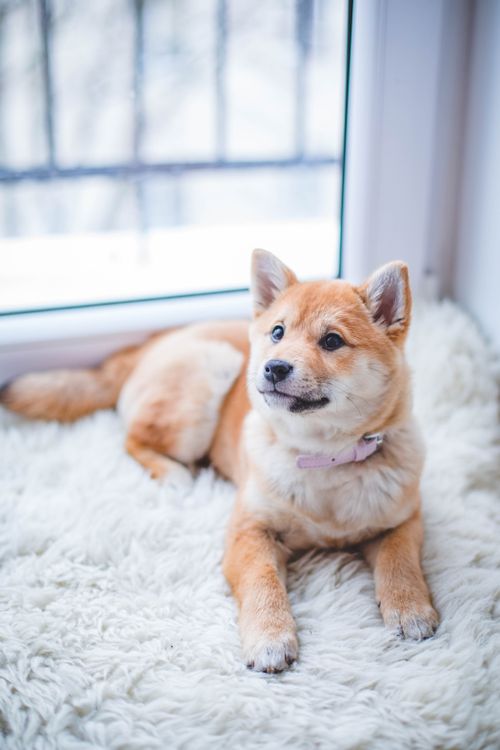
These days, when it rains, I don't dread the walk anymore. Biscuit still finds every puddle. He just doesn't bring it all inside with him.
Winter Changes the Game
Everything I just described gets harder in winter, and I learned that the first January after we set the station up. Wet mud is one thing; mud mixed with grit from treated pavements is another, and it dries into a grey crust on paws that a quick towel won't shift. In winter, the paw cup gets used with slightly warmer water, and I check between the pads afterwards for any grit or small stones that could irritate him on the next walk.
I also keep a second set of towels in rotation in winter, because one set never dries between the morning and evening walks. Damp towels smell, and a smelly towel is a towel the dog will avoid. Two sets, washed weekly, solved that without any drama. It's a boring detail, but boring details are what routines are made of.
One more winter lesson: don't rush a wet dog out of the hallway and into a warm room and expect him to dry faster. He'll just transfer the damp to the nearest soft surface, which is usually the sofa. The mat by the door stays the mat by the door all year round, and Biscuit knows that now. Routine beats weather, as long as you keep the routine.
The Kit, Honestly Reviewed
People ask me what to buy, so here's the honest rundown after a year. The boot tray: essential, and the cheapest one works fine. The paw cup: worth it, especially for low dogs, but buy one sized for your dog — a cup made for a Great Dane will swallow a small dog's paw and terrify them. The towels: old bath towels beat fancy microfibre pet towels in my experience, because they're bigger and you already own them. The mat: any washable mat with a rubber backing, because you'll be washing it, often.
What I wouldn't buy again: the expensive "mud-proof" doormat that promised to trap dirt and mostly trapped my vacuum cleaner. And the paw balm I bought in a panic one winter, which Biscuit licked off in thirty seconds flat. Some dogs tolerate balm; mine treats it as a snack. Know your dog.


